
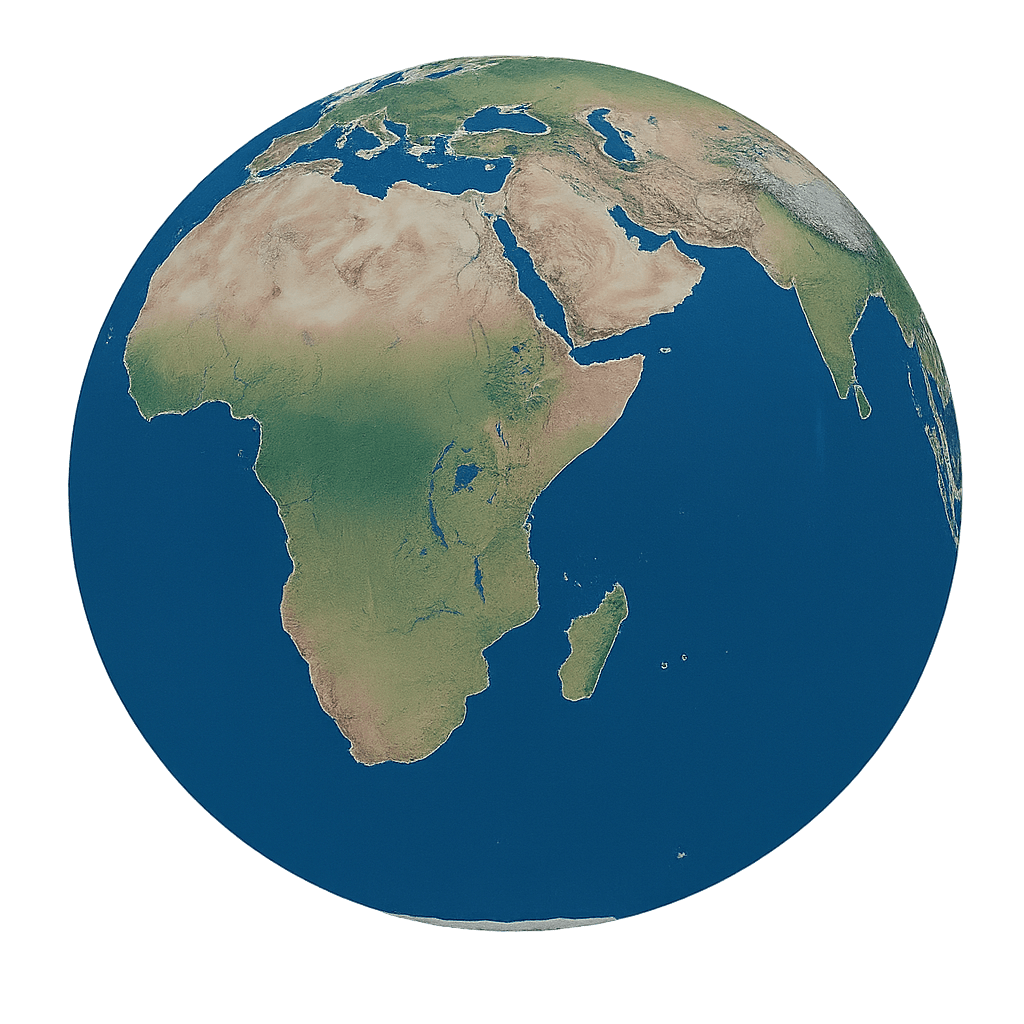
Grande Ronde Model Watershed presentation shows continued benefits of combining local knowledge and shared science
At the October 2026 meeting, the Council heard updates from the Grande Ronde Model Watershed (watch video | view slides). It is the primary entity coordinating habitat restoration on both private and public lands within the Grande Ronde and Imnaha subbasins in Oregon, which it has done since its formation in 1992. It is also one of the Council’s umbrella projects.
Fish and Wildlife Specialist Heather Hendrixson introduced Executive Director Jesse Steele. He explained that the model watershed serves as an example for the establishment of watershed management partnerships among local residents, state and federal agency staff, and public interest groups concerned with the management of the watershed. The central strategy of the model watershed approach is based upon the belief that a locally based effort to improve coordination, integration, and implementation of existing local, state, and federal programs can effectively protect, enhance, and restore a regional watershed area.
Steele, who originally worked as a field biologist and project coordinator, says that the model watershed’s main role is to help partners get good work on the ground. It does that by combining local knowledge with shared science and a structured process to implement restoration at meaningful scales.
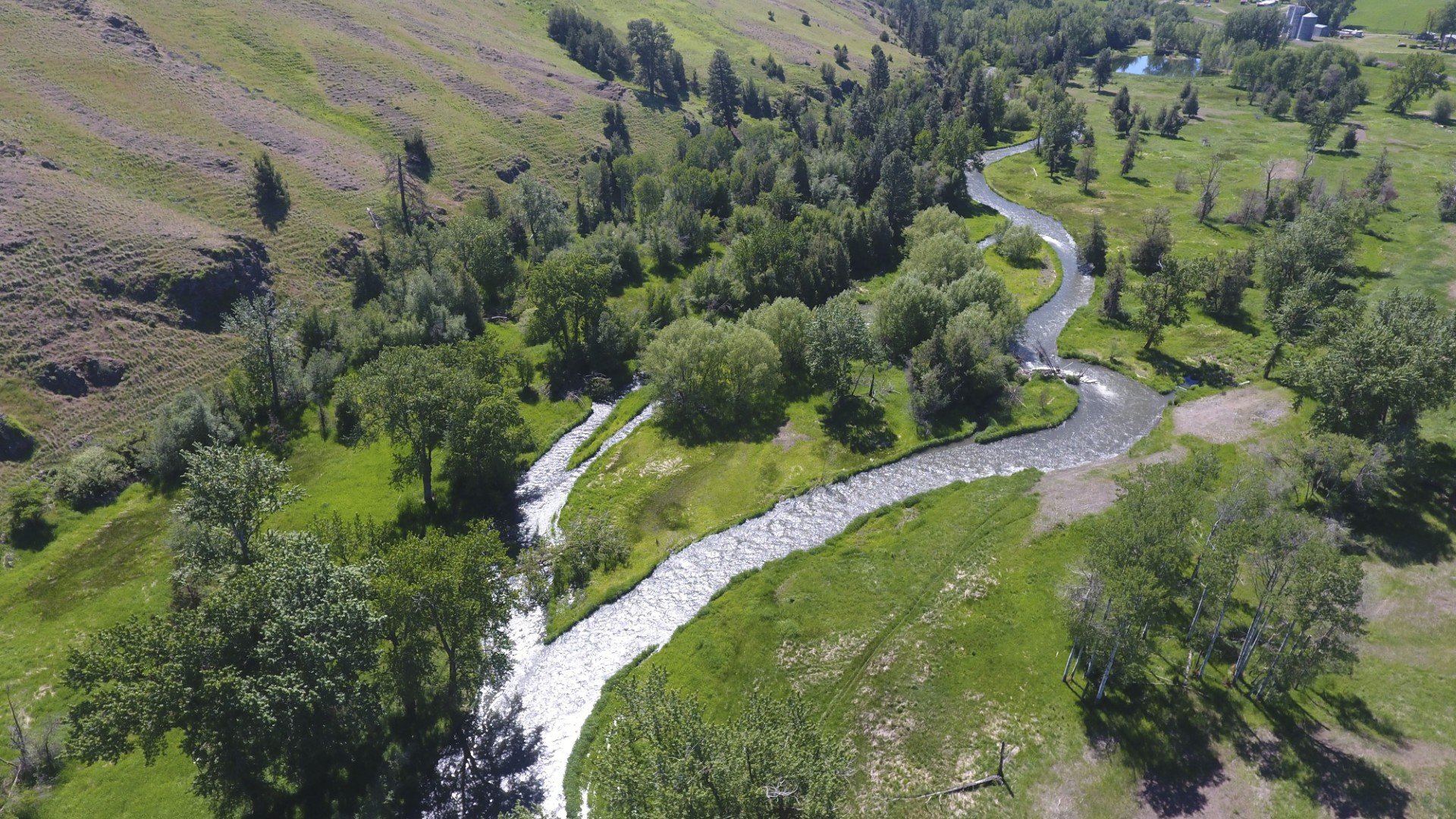
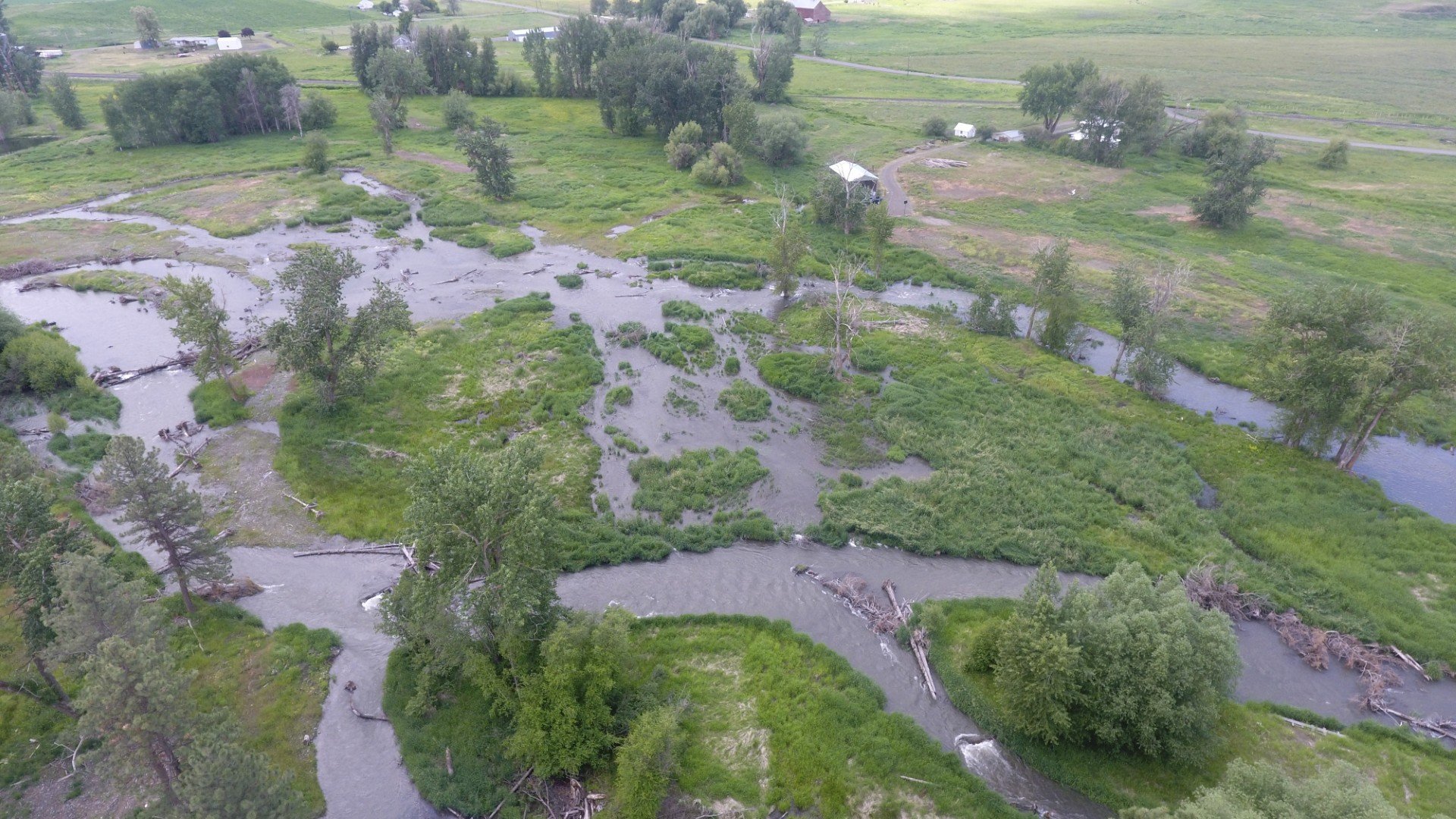
The Grande Ronde Model Watershed is an umbrella project under the Council’s Fish and Wildlife Program and serves as the watershed council for the area – essentially two organizations rolled into one. The board is diverse and includes representatives from local government, education, industry, agriculture, and the economy. Partners include regulatory agencies, researchers, funders, and project implementers. Steele has seen many changes in his time as Executive Director from the way projects are prioritized to where they are implemented on the ground. He notes the key to success is a high-functioning partnership where all are engaged in the planning process. That also helps bring in cost share for projects. For every dollar invested by BPA, the Grande Ronde Model Watershed brings in at least another dollar and often more. For example, the average annual dollar amount from BPA over the last two decades has been around $1.5 million with an average of $1.6 M in cost share going to on-the-ground implementation of projects.
Another point Steele made was that their goal is not to prove every project worked. The goal is to make the next decision better informed than the last. Over the last 35 years, changing priorities have shifted projects from mainly in the headwaters to lower downstream to benefit outmigrating fish. From 2020-2025, 2,505 acres of riparian habitat was improved, 149.5 cfs (cubic feet per second) of instream flow was added, 65 miles of stream were accessed by addressing passage barriers, and 66 miles of stream complexity was improved. As projects get larger and more complex, costs go up, and the Grande Ronde Model Watershed only has funding to implement one or two projects a year. Funding from Bonneville helps create the stability to get additional funding. Fish and Wildlife Committee Chair Ed Schriever noted that the sophistication of the process in the model watershed programs is impressive.
The Grande Model Watershed closed with an inspirational message: “The work is local. The science is shared. The process keeps improving”.
Legal Disclaimer:
EIN Presswire provides this news content "as is" without warranty of any kind. We do not accept any responsibility or liability for the accuracy, content, images, videos, licenses, completeness, legality, or reliability of the information contained in this article. If you have any complaints or copyright issues related to this article, kindly contact the author above.
